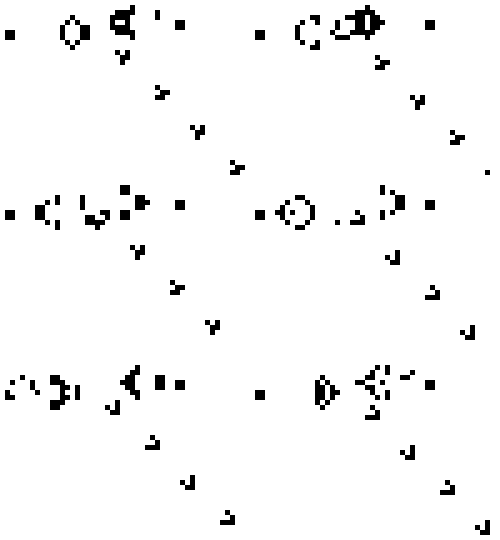
Poprvé jsem se o Game of Life Johna Conwaye dozvěděl během lockdownu. Svět se zastavil a já začal víc číst — o matematice, hře, systémech. V té době jsem byl ponořený do Game Makeru, DIY deskových her a knihy Homo Ludens, když jsem na něj narazil.
Game of Life není hra, kterou hraješ. Hraje se sama. Nastavíš počáteční tvar a pak sleduješ, jak se proměňuje. Buňky žijí, umírají nebo vznikají podle několika jednoduchých pravidel. Je to klidné, zvláštní a říká to hodně, aniž by to něco vysvětlovalo.
O pár let později jsem si vytvořil vlastní verzi. Ne proto, abych ji vylepšil, ale abych jí líp porozuměl tím, že ji znovu postavím. Někdy je nejlepší způsob, jak něco pochopit, to prostě vyrobit.
Pravidla:
- Každá živá buňka s méně než dvěma živými sousedy zemře, jako důsledek podlidnění.
- Každá živá buňka se dvěma nebo třemi živými sousedy přežije do další generace.
- Každá živá buňka s více než třemi živými sousedy zemře, jako důsledek přelidnění.
- Každá mrtvá buňka s přesně třemi živými sousedy se stane živou, jako při reprodukci.
