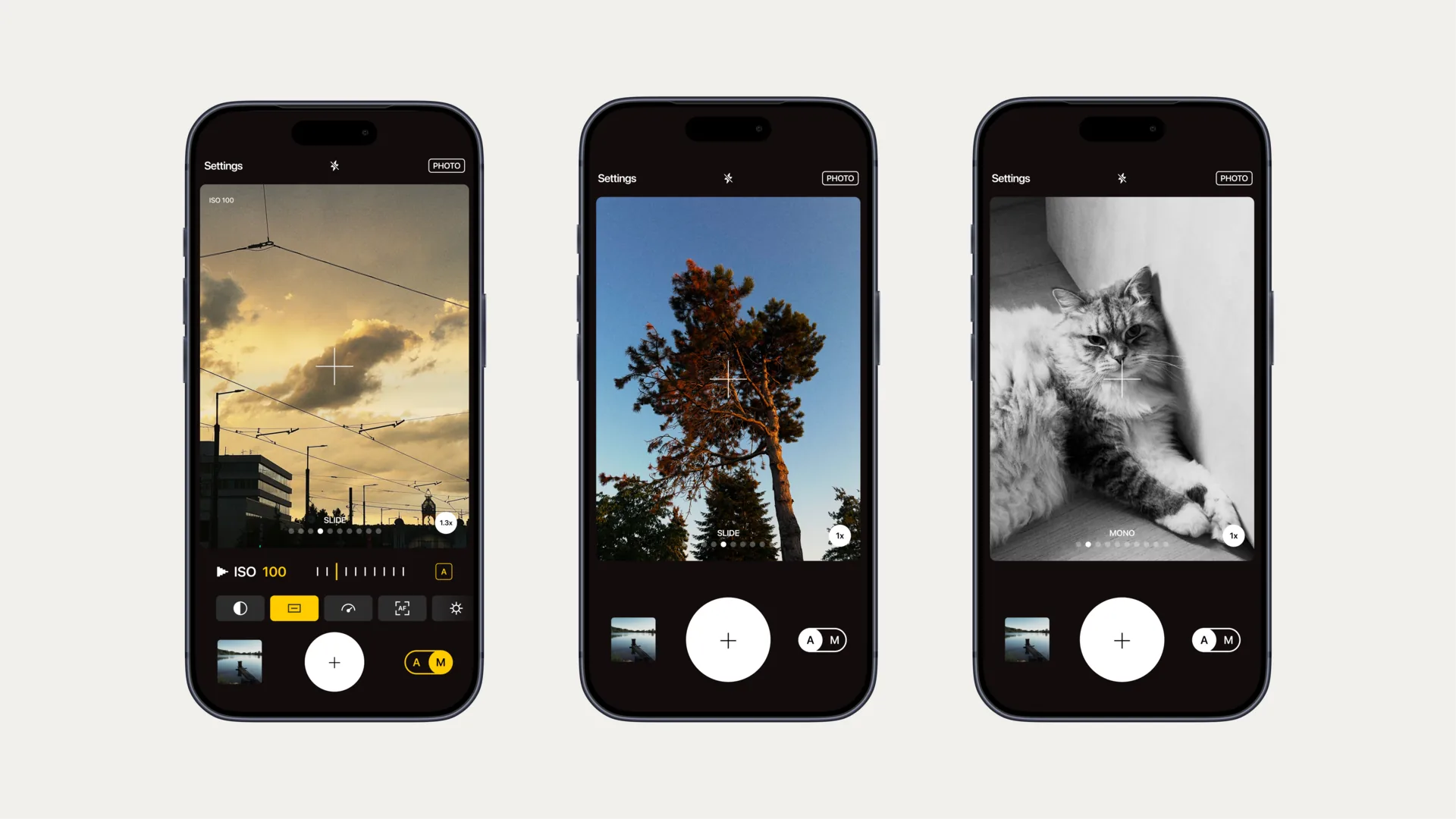
A camera app for iPhone, and an account of what was taken out of it.
Every photograph a modern phone hands over has already been decided. Press the shutter and it takes nine frames, weighs them against each other and returns a tenth that nobody saw. The picture is clean. It is also an average.

I wanted to know how much of that could be taken away before the photograph stopped working.
Everything has to fit under one thumb. The shutter button is also the joystick: press to take the photograph, drag to zoom, and in manual the same drag moves ISO, shutter speed, white balance, exposure compensation, lens. Ten film looks are chosen before the shot rather than after it, so the look is already in the file when the file is written.
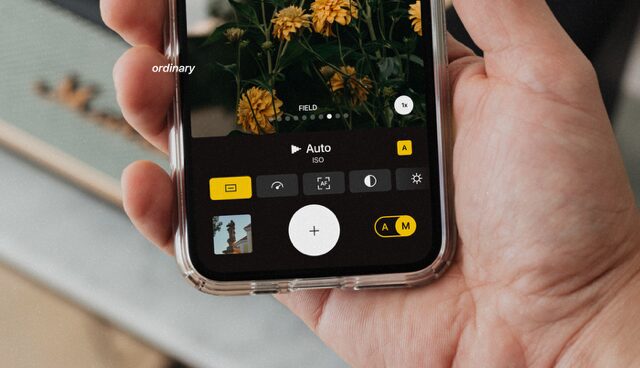
The version on the App Store is the fourth. The first three were three different layouts, and the joystick was the only thing I kept from each one. In the fourth the rest fell in around it.
I do not write code. I draw. This was drawn as wireframes in Figma. Claude wrote the Swift and helped me assemble the app in Xcode.
It behaves like film. What I see on the screen is what I get. In low light the photograph comes out dark, and lifting it brings grain, the same as pushing film a stop. The look is picked before the shot the way a film stock is picked, so there is no untouched negative underneath to go back to.
Both of the things I wanted next are in. Double exposure, because on film I always liked cocking the shutter again without winding it on and then looking at what came out, up to nine layers on one frame. And animation, frame by frame saved as video, because my background is animation and I kept wanting to shoot sequences.
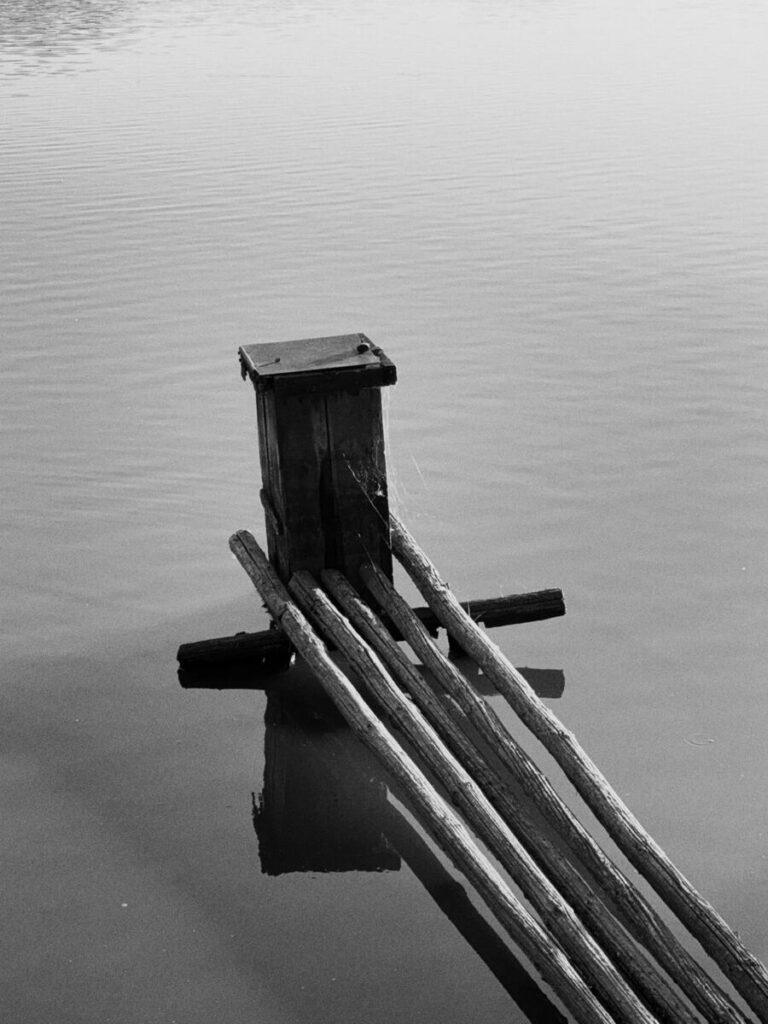
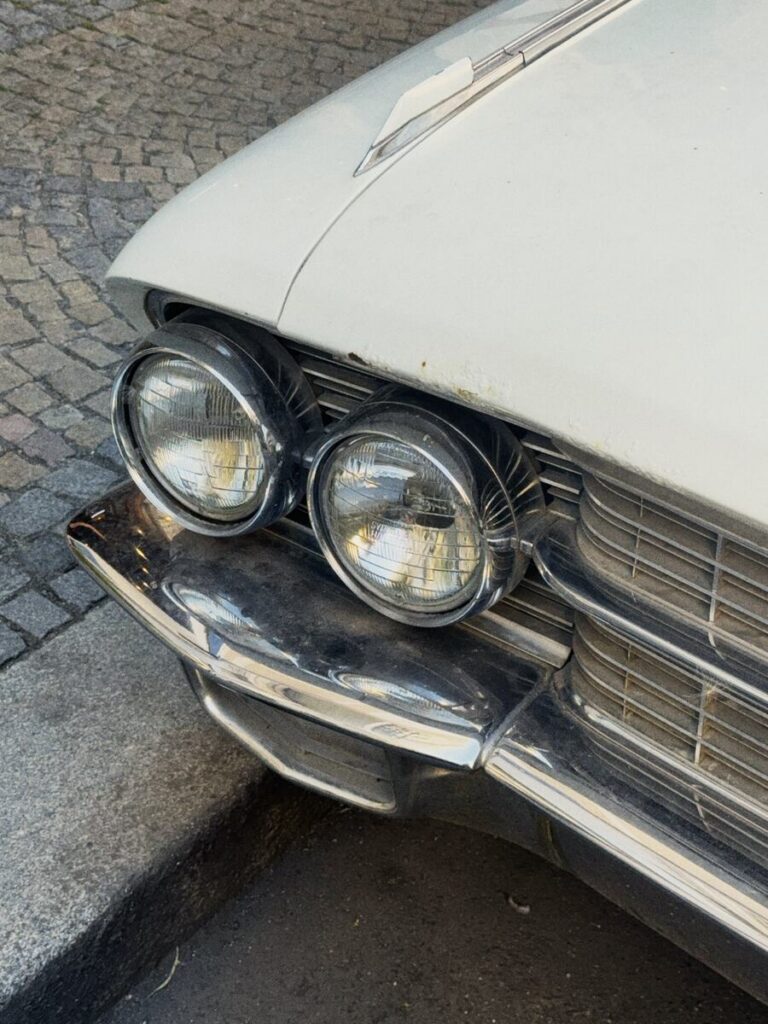
Every frame below was taken with Ordinary, straight out of the camera.





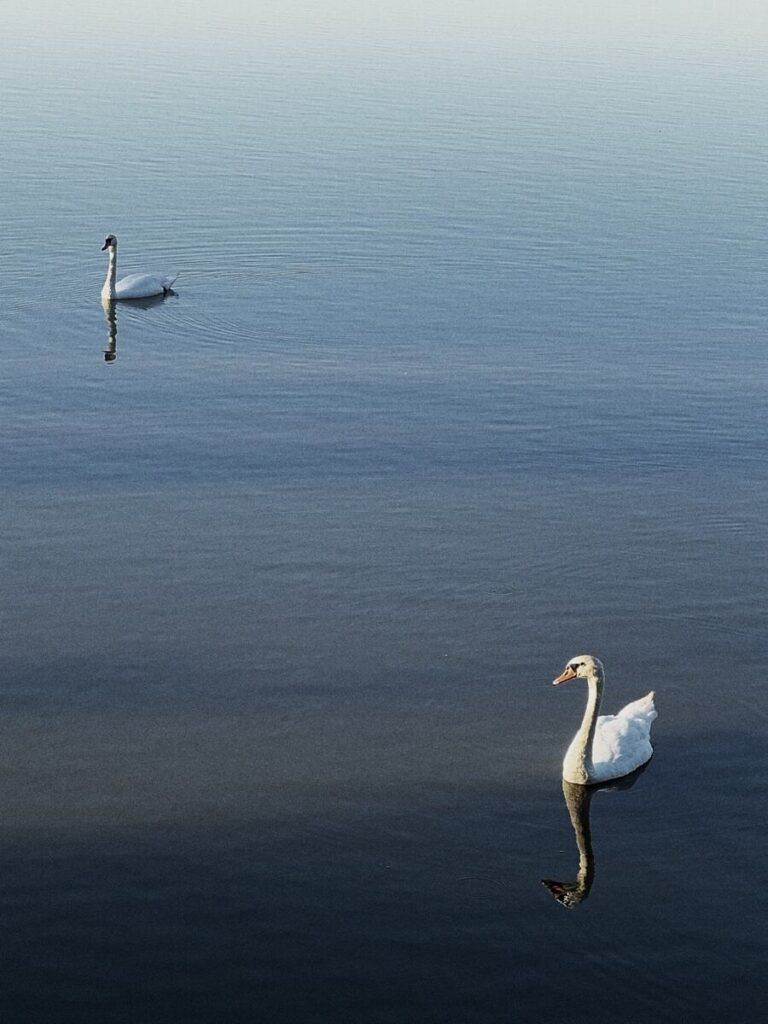
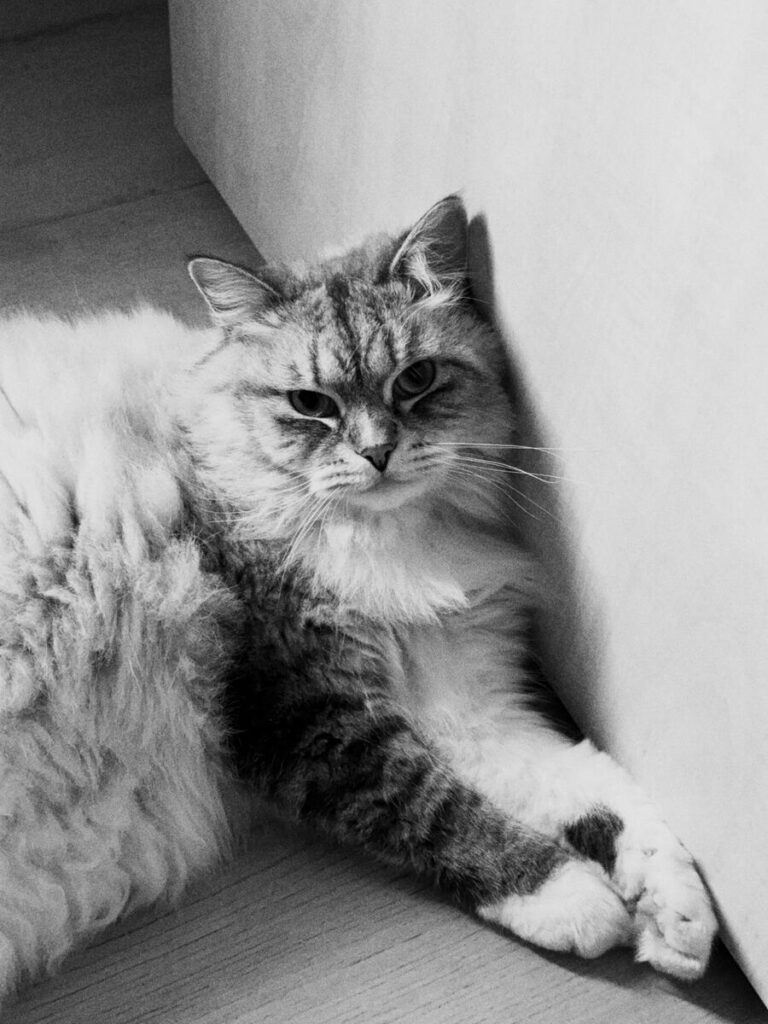
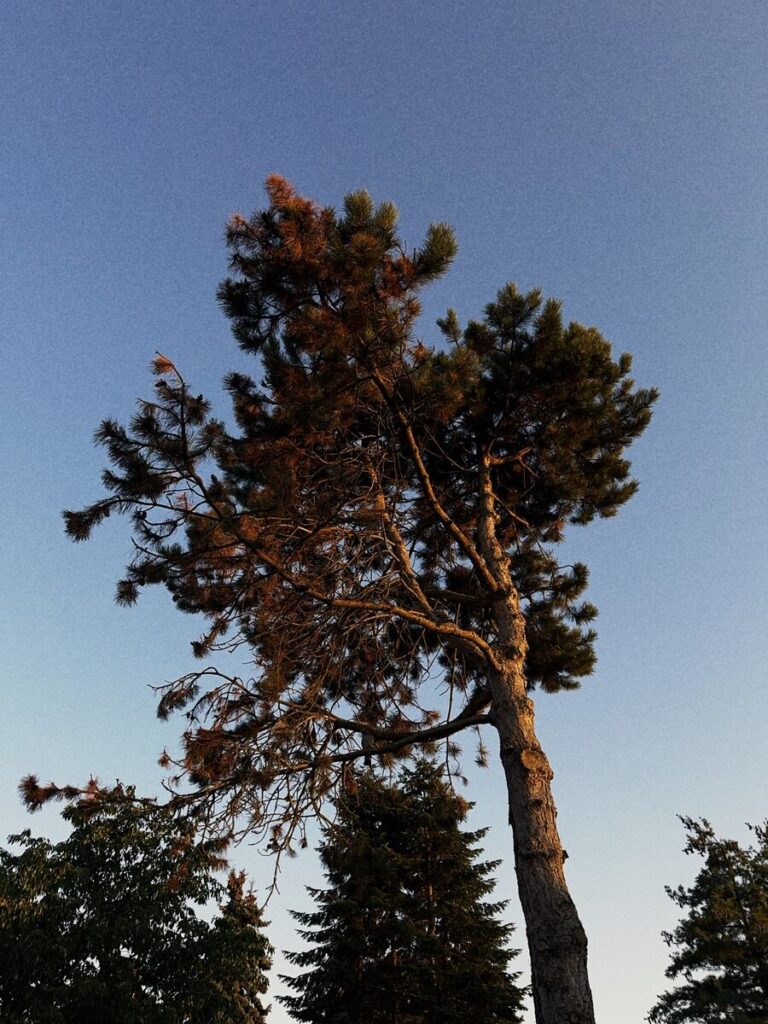

Before the app there was a lens. I make Monoclelens, built from one optical element taken out of a used single use camera. One focal length, one aperture, and the rest left to whoever is holding it. Ordinary asks the same question in software instead of in optics.
The name is not modesty. Nothing in the app is unusual. I switched a few things off, and then spent a long time finding out which ones.
No account, no ads, nothing measured.
It is out: free on the App Store, for iPhone with iOS 17 or later. Ordinary Plus adds four more films, animation and double exposure for one payment inside the app.